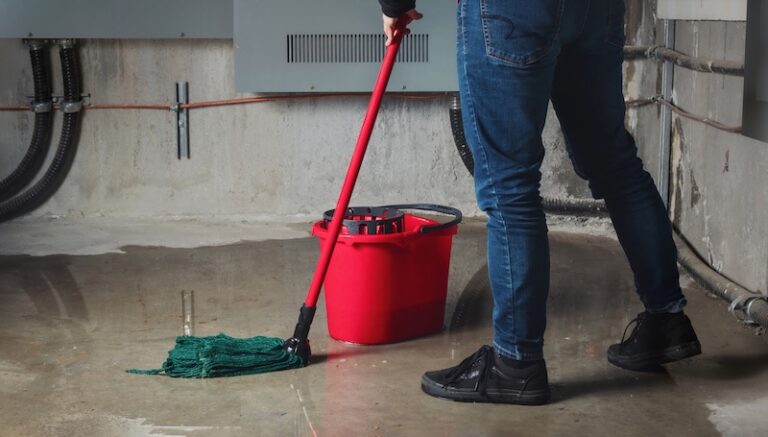
Aurora, IL, sits on the Fox River. Every spring, that river has a long memory. The snowmelt from northern Illinois drains south, the ground is already saturated, and the city’s aging combined sewer infrastructure gets hammered by storms that roll across the prairie with little warning. Water forces its way through floor drains, up from the sump pit and through foundation walls before most homeowners even know a storm has passed. If your basement has ever smelled like the Fox River after a hard rain, you already understand what’s at stake. A flood control system is vital for protecting your home.
Aurora’s Flooding Problem Is Bigger Than Your Basement
Aurora, IL, is no stranger to water intrusion. Kane County has been designated a Special Flood Hazard Area in multiple zones, and the city has invested millions in stormwater infrastructure precisely because the problem is persistent. When heavy rain overwhelms the combined sewer system, wastewater and stormwater merge and push back through the path of least resistance, which is often directly into your home’s lowest drain.
According to FEMA, flooding is the most costly natural disaster in the United States, with the average flood claim exceeding $30,000 in damages. That number doesn’t account for lost personal property, displaced living or the long-term structural toll on a home’s foundation.
Sewer Backups: The Threat You Can’t Afford to Ignore
There’s a critical distinction most Aurora, IL, homeowners don’t learn until it’s too late: not all basement water comes from rainfall alone. Sewer backups occur when the municipal line becomes overloaded and sewage reverses course into residential drain systems. This isn’t surface water seeping through a crack. It’s pressurized wastewater pushing up through floor drains, laundry tubs and toilet bases.
The contamination risk is severe, and the damage to appliances like furnaces, water heaters, and electrical panels can be total and irreversible. Installing a flood control system in Aurora, IL, is one of the few proactive measures that directly address this threat before it materializes.
Decode the Anatomy of a Flood Control System
A flood control system is not a sump pump, and understanding that distinction matters. While a sump pump removes water that has already entered a pit inside your home, a flood control system is engineered to prevent that water from entering in the first place.
Service 1 Plumbing, Heating & AC, Inc installs an overhead sewer system combined with a backwater valve. The process involves excavating a small pit in the yard, routing your home’s drain lines to discharge above the municipal flood level and installing a valve that physically seals shut when sewage attempts to reverse into your home. It’s the difference between mopping up a disaster and never having one.
Six Protective Components That Make the System Work
A properly installed flood control system in Aurora, IL, is a layered defense, not a single device. Here’s what a complete installation involves:
- A backwater valve that automatically closes against reverse sewage flow.
- An overhead sewer conversion that reroutes drain lines above flood level.
- A submersible ejector pump that moves waste upward to the new drain line.
- A pit liner and sealed cover to contain the ejector system cleanly.
- Proper valve sizing matched to your home’s specific drain load.
- A cleanout access point for routine inspection and long-term maintenance.
Each component depends on the others. A backwater valve installed without the overhead conversion can still allow water intrusion through floor drains. Service 1 Plumbing, Heating & AC, Inc evaluates your home’s full plumbing layout before recommending a configuration, because a system that’s only half-right is still entirely wrong.
Valve Selection Is Where Most DIY Attempts Flood Out
Not every backwater valve is built for every application. Gate valves, flap valves, and combination valves each behave differently under pressure and serve different drain configurations. Installing the wrong type can create a false sense of security while leaving your basement exposed, or it can restrict normal drainage and cause slow-drain problems throughout the home.
Service 1 Plumbing, Heating & AC, Inc. carries the expertise to match valve type, size and material to Aurora’s specific sewer conditions. This city experiences genuine surge events. A professional must calibrate the valve selection accordingly.
Install a Flood Control System in Aurora, IL, Before the Next Storm Hits
Aurora’s storm season doesn’t schedule itself around your calendar. The Fox River corridor has experienced multi-inch rainfall events in spring that overwhelm infrastructure faster than forecast, and neighborhoods near the river’s tributaries are particularly vulnerable to combined sewer surges. Installing a flood control system in Aurora, IL, now means you’re building your defense while conditions are dry and installation is straightforward. Contact us now to get a licensed professional to assess your home’s flood vulnerability before the next storm writes the story for you.
Image provided by iStock